







Search Results for: commercial cultivation
Tracing the origins of commercial coffee cultivation in Yunnan, China: from its start in 1985 to becoming a base accounting for 95% of production
Coffee has taken root in China for over a century, and Yunnan, as the birthplace of coffee cultivation on the mainland, has a development trajectory that is particularly noteworthy. From 1902, when a French missionary planted the first coffee tree in Zhukula, Binchuan, to the start of commercial cultivation in 1985, and then to today, when it accounts for 95% of the country's planting area and output, Yunnan coffee has traveled a path from obscurity to pivotal importance. This article will review the spread and industrialization process of Yunnan coffee, while also showing how coffee culture has gradually become popular in Chinese cities, and exploring the possibility of Yunnan coffee promoting the rise of local coffee brands through high quality and low prices. [more…]
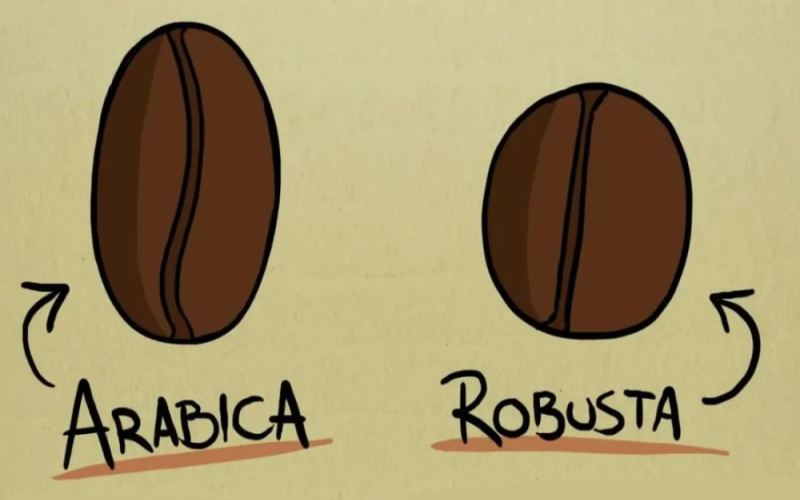
What Are Robusta Coffee Beans? An Analysis of Robusta's Flavor Characteristics, Cultivation Advantages, and Applications in Espresso Blends
Robusta is a mainstream commercial coffee bean species alongside Arabica on the market, but it is often labeled as "bad-tasting" and "bitter." Is it truly destined to have no place among good coffees? This article systematically reviews Robusta's characteristics, advantages, and disadvantages from the perspectives of flavor formation, cultivation advantages, and specialty potential, and explains why it is indispensable in Italian espresso and commercial blends. At the same time, drawing on the formulation approach of Front Street Coffee's commercial blend coffee beans, it introduces how to use 10% washed Robusta combined with Colombian and Brazilian beans to obtain rich crema, nutty aroma, and a creamy mouthfeel, helping coffee lovers rediscover this underestimated bean. [more…]

Brazil's IAC natural decaf coffee breeding enters a critical validation phase, with promising commercial prospects.
The natural decaffeinated coffee breeding program at Brazil's Campinas Agronomic Institute (IAC), which has spanned more than two decades, has now entered the stage of definitive verification. Researchers are cultivating and screening hybrid coffee plants derived from different varieties, with the goal of developing coffee varieties that are naturally low in caffeine or even caffeine-free without the need for industrial decaffeination. If this breakthrough ultimately comes to fruition, it will profoundly change the commercialization landscape of decaffeinated coffee in major markets such as the United States and Europe. According to forecasts by market research institutions, the global decaffeinated coffee market will reach US$28.86 billion by 2030, with young health-conscious consumers as the main driving force. Front Street Coffee will also continue to follow the subsequent progress of this transformative research. [more…]

Roasting Applications of Coffea canephora Robusta and Analysis of Starbucks' Bean Selection
In the world of coffee, Arabica and Robusta are the two most frequently mentioned varieties. Arabica dominates the specialty market with its delicate flavors, while Robusta, with its formidable vitality and rich, full-bodied taste, plays an irreplaceable role in commercial blends and instant coffee. Why is it called Congensis? What are its cultivation advantages and flavor drawbacks? And how does Front Street Coffee incorporate it into classic blends? This article will guide you through a systematic understanding of Robusta's origins, characteristics, pros and cons, and explain why commercial brands like Starbucks favor it. [more…]
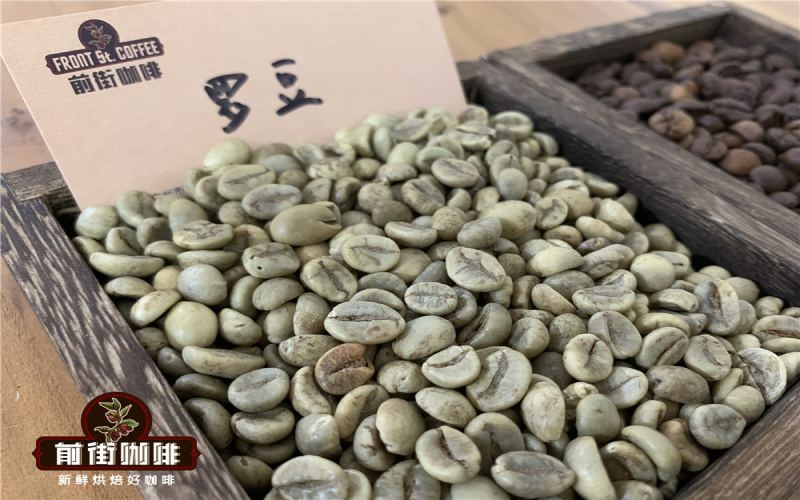
The Diverse Applications of Robusta Coffee Beans and an Analysis of the Controversial Causes of Their Bitterness
Robusta is often labeled as "bad-tasting" and "high in caffeine," but few delve into why it is still so widely used. Front Street believes that to understand this variety, one must start with its botanical characteristics, historical role, and practical uses. Robusta is naturally resistant to pests and diseases, high-yielding, and low-cost, making it suitable for commercial mass production, and thus widely used in instant coffee and espresso blends. Its bitterness mainly stems from high chlorogenic acid and low sucrose, but this does not mean all Robusta is of poor quality—Indian Royal Robusta demonstrates a clean flavor profile. Front Street's commercial blend coffee beans include 10% washed Robusta, combined with Colombian and Brazilian beans, producing espresso with rich crema, strong nutty aroma, creamy fullness, and bitterness that dissipates quickly. This article will comprehensively analyze Robusta's uses and controversies. [more…]
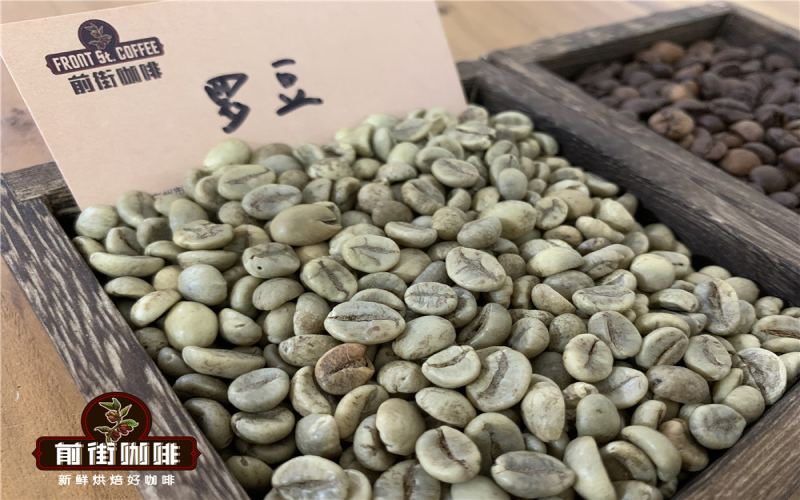
An Analysis of Robusta Coffee Bean Derivative Varieties and Cultivation Advantages: The Complete Lineage from Canephora to Tim Tim
In the world of coffee, Robusta, though less favored than Arabica, occupies a market share that cannot be ignored thanks to its tenacious vitality and unique flavor. This article will systematically sort out Robusta's botanical classification—it belongs to the Canephora species, from which hybrid varieties such as Tim and Catimor are derived; at the same time, it will deeply analyze its cultivation advantages of tolerance to high temperatures, cold, drought, and humidity, as well as its commercial value of high caffeine content, pest resistance, high yield and fast ripening, and suitability for mechanized management. Of course, Robusta's bitter flavor profile and rubbery, earthy taste are also unavoidable drawbacks. Finally, Front Street will recommend a commercial blend containing 10% washed Robusta, taking you from an introduction to espresso to experience the rich charm of Robusta. [more…]

Analysis of the Three Major Commercial Coffee Varieties: Flavor Characteristics of Arabica, Robusta, and Liberica
The coffee family is actually quite large. From a botanical perspective, there are more than sixty coffee tree species worldwide, of which about twenty-five have been selected and cultivated by humans. However, only three main species truly have commercial value and can circulate on a large scale: Arabica, Robusta, and Liberica. These three coffees each have distinct botanical characteristics and flavor profiles. Among them, Liberica is relatively rare due to its low yield and tall plants, and its flavor is also clearly different from the other two. This article will introduce you to these three major commercial coffee species, with a focus on understanding the unique taste of Liberica coffee. At the same time, Front Street Coffee will also recommend related products worth trying. [more…]
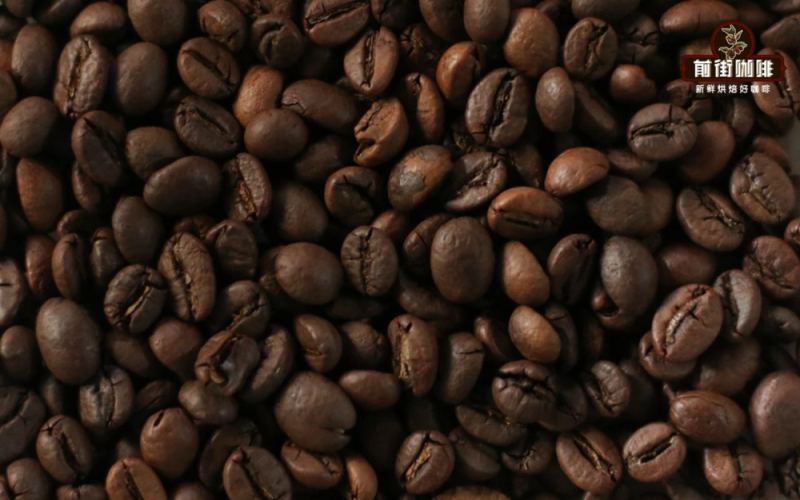
An In-Depth Analysis of Robusta Coffee Beans: Differences from Arabica, Espresso and Single-Origin Applications, and Key Identification Points
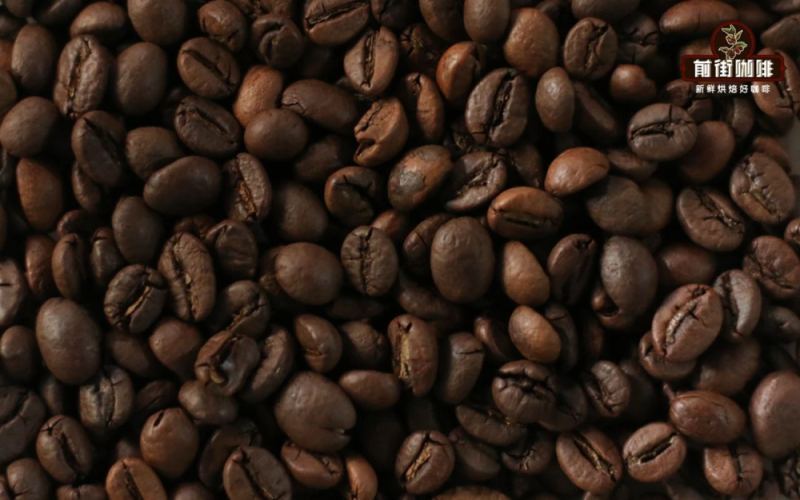
Robusta and Arabica are currently the two most widely commercially cultivated coffee varieties. The former is known for its intense, bitter, and steady flavor, with a caffeine content about twice that of Arabica. It has strong stress resistance, high yield, and low cost, and is often used in dark-roasted espresso blends or instant coffee. Its high chlorogenic acid content brings a rich, deep bitterness along with nutty and grainy notes, and if improperly processed, it may also develop earthy or rubbery flavors. Dark-roasted Robusta can give espresso a thick, rich crema, and Italians often blend it into their recipes to enhance the "coffee taste." Indian Royal Robusta proves that with careful cultivation, Robusta can also present a clean flavor. This article focuses on the characteristics of the variety, how to distinguish it from Arabica, the difference between espresso and single-origin, and combines this with the formula and flavor performance of Front Street Coffee's commercial blend coffee beans. [more…]
A Full Analysis of Robusta Coffee's Pros and Cons: Can It Be Used for Instant Coffee? How Is It Different from Arabica?
In the coffee world, Arabica has long dominated the mainstream, but there is one variety that, although rarely seen in daily life and not particularly appealing in flavor, plays an indispensable role in the market—Robusta, often called "Rob" by those in the know. How has it managed to survive in the specialty coffee era? What are its pros and cons? Is Robusta suitable for making instant coffee? From Front Street's perspective, this article comprehensively dissects the true face of Robusta—from botanical classification, growing conditions, and flavor characteristics to commercial applications—and introduces a Front Street commercial blend coffee bean that easily produces a beautiful espresso, helping you recreate the taste of a café at home. [more…]

A Complete Analysis of Ethiopia's Nine Major Coffee Regions: Yirgacheffe Flavor Characteristics and Cultivation System
Ethiopia is the country with the richest coffee gene pool in the world, possessing four major cultivation systems—forest, semi-forest, garden, and plantation—from which nine specialty regions have emerged, each with its own distinctive flavor profile. This article will systematically review the cultivation environments, processing methods, and flavor expressions of regions ranging from Yirgacheffe and Sidamo to Gimma and Harar, and will also include cupping comparisons and brewing suggestions for several representative beans from Front Street Coffee, helping coffee lovers gain a comprehensive understanding of the charm of this "king of flavors" country. [more…]
A Comprehensive Analysis of Robusta Coffee Beans: Flavor Differences from Arabica, Cultivation Characteristics, and a Comparison of Their Respective Advantages and Disadvantages
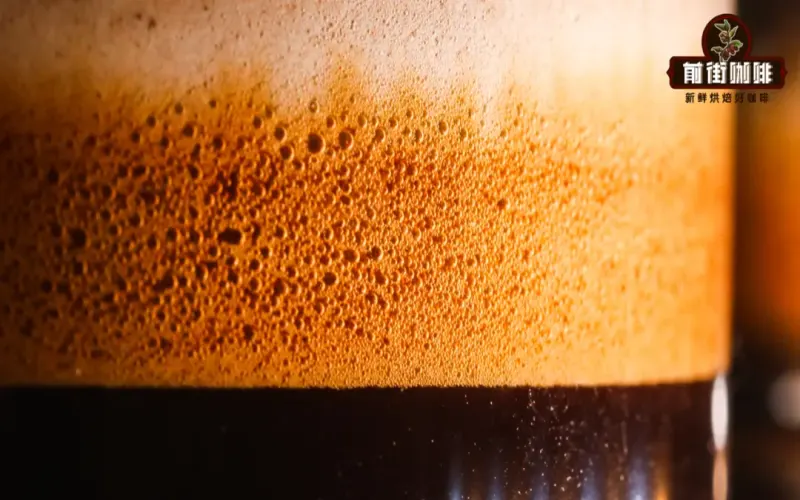
In the world of coffee, Arabica and Robusta are the two major commercially cultivated varieties; the former occupies about seventy percent of the market, while the latter is often overlooked. Why exactly is Robusta so unpopular? What are the substantive differences between it and Arabica in terms of flavor, growing conditions, and cost? Starting from Front Street Coffee's espresso blending practice, this article combines the two varieties' chemical composition, adaptability, and market positioning to systematically sort out their advantages and disadvantages. Whether you want to understand Robusta's true value or want to find coffee beans suited to your own taste, this article can provide a clear reference. [more…]
How are Coffea canephora Robusta coffee beans roasted? What coffee beans does Starbucks use?
In the world of coffee, the two major species, Arabica and Robusta, underpin the flavors in most people's cups. Robusta, also known as Coffea canephora, originated in the Congo Basin of Africa. It is widely cultivated because it tolerates low altitudes, resists pests and diseases, and yields high harvests, and it often appears in instant coffee and espresso blends. Its caffeine content is about twice that of Arabica, its chlorogenic acid is higher, and its flavor tends toward the full-bodied and deep, with notes of walnut, peanut, and grain. This article from Front Street Coffee sorts out Robusta's origins, botanical classification, advantages, and shortcomings, and retains the information on the Vietnamese Robusta beans used in Front Street's commercial blends, helping coffee enthusiasts understand this bean more clearly for what it really is. [more…]
Analysis of Robusta Coffee Growing Altitude and Origin Characteristics: The World's Largest Producer and Flavor Applications
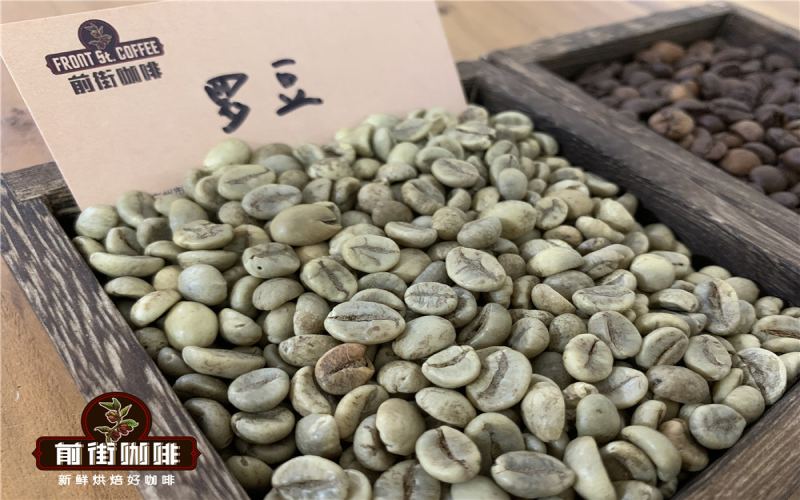
Robusta coffee beans are known for their high yield, full body, high caffeine content, and low cost, and they hold an important position in global instant and blended coffee. As the world's second-largest coffee producer, Vietnam devotes 80% of its output to Robusta, making it the largest current supplier of Robusta. This article will analyze variety classification, plant characteristics, cultivation altitude, and the causes of flavor, and will also explore the value of Robusta in espresso blends in the era of specialty coffee. At the same time, the article will also combine two products, Front Street Classic Blend and Front Street Commercial Blend, to explain how a small amount of Robusta improves the actual performance of crema and a rich mouthfeel. [more…]
Analysis of the World's Three Major Commercial Coffee Bean Varieties: A Historical and Flavor Comparison of Typica and Bourbon Under Arabica
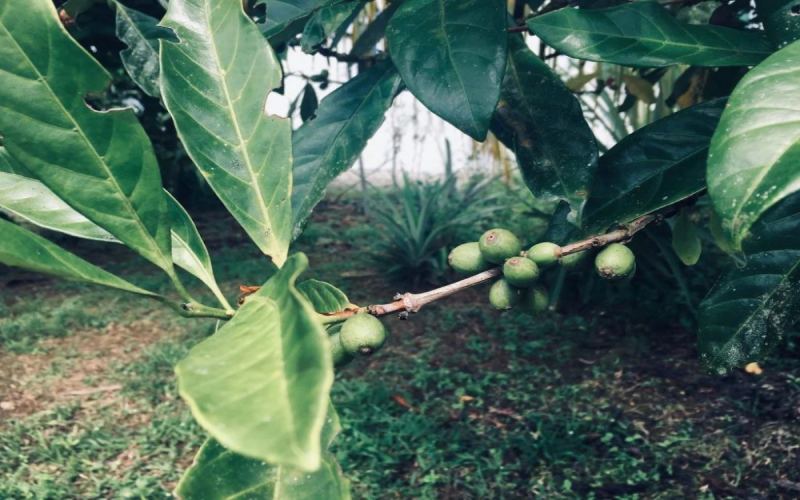
Have you ever thought about how the world's commercially produced coffee beans mainly fall into three categories—Arabica and Robusta, plus the rarer Liberica? Among them, Arabica firmly holds the top spot with over sixty percent of production and superior quality. This article will introduce the characteristics of these three beans one by one, and focus on the two subspecies under Arabica with the greatest cultural and genetic value—Typica and Bourbon: How did they travel from Ethiopia through Yemen to the world? What are the differences between the two coffee trees in plant shape, yield, and cultivation? The article also uses Clifton Estate's Blue Mountain and South Minas Red Bourbon as examples to share brewing recipes and cup flavor performance, and finally reviews the star varieties of the Typica line, the Bourbon line, and their hybrids. [more…]
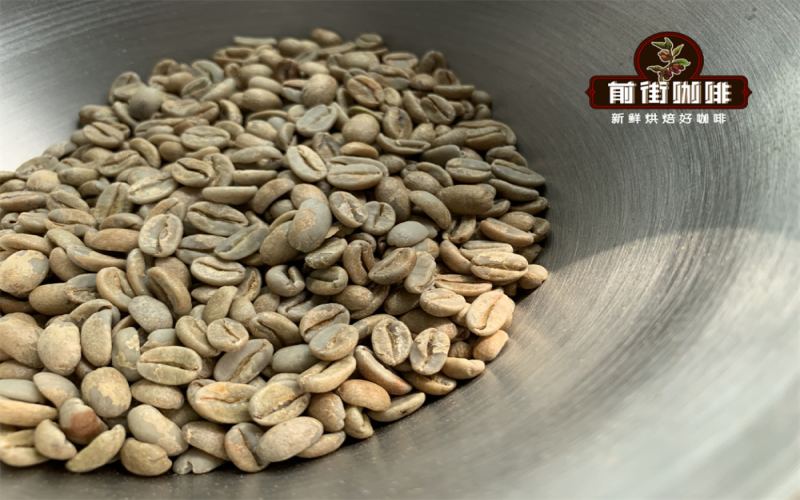
Coffee Basics | An Analysis of the Flavor and Characteristic Differences Between Large-, Medium-, and Small-Bean Coffee Varietals
There are many varieties of coffee trees, but the cultivated varieties used for drinking mainly fall into three types: Arabica (small-bean species), Robusta (medium-bean species), and Liberica (large-bean species). They differ in plant morphology, fruit size, flavor profile, growing conditions, and commercial value. This article will systematically sort out the differences among these three types of coffee beans from the perspectives of botanical classification, appearance characteristics, flavor traits, and origin distribution, and will also answer the question of which species Yunnan small-bean coffee belongs to, helping coffee enthusiasts gain a clearer understanding of the source of the coffee they drink every day. [more…]

Robusta Coffee Flavor Analysis: A Comprehensive Interpretation from Variety Origins to Instant Coffee Ingredients
When many people first learn about coffee, they often hear variety names like Arabica and Robusta, yet they may not clearly understand the essential differences between them. From the perspective of Front Street Coffee, this article systematically sorts out the origin and classification of Robusta coffee, its main producing regions, flavor characteristics, cultivation advantages and disadvantages, and explains why it has become an important raw material for instant coffee and commercial blends. At the same time, it compares Arabica varieties to help coffee enthusiasts understand the key differences between the two major varieties in terms of altitude requirements, disease resistance, caffeine content, and cup performance, so as to gain a more comprehensive understanding of every cup of coffee they drink daily. [more…]
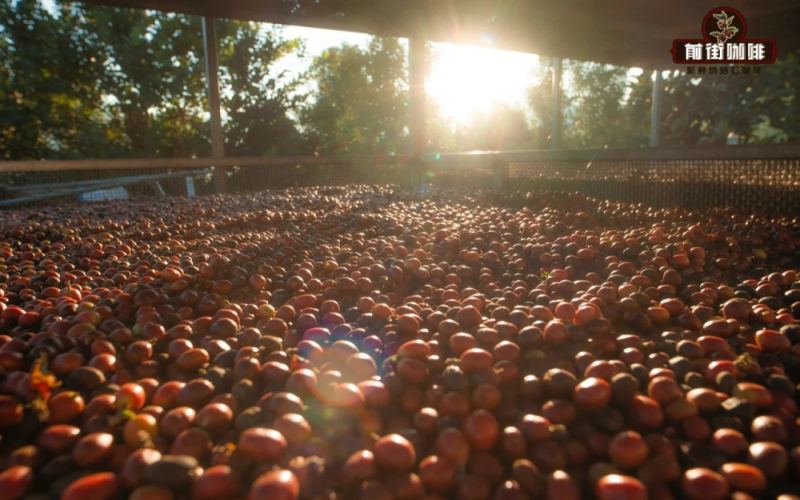
A Complete Analysis of the Three Major Coffee Varieties: Distinguishing Large-Bean, Medium-Bean, and Small-Bean Coffee and the Classification of Yunnan Small-Bean Coffee
The coffee world is vast and complex. Under botanical classification alone, there are more than a hundred species, yet the cultivated varieties actually used for drinking mainly fall into three major categories: Arabica (small-bean), Robusta (medium-bean), and Liberica (large-bean). Each possesses unique botanical characteristics, growing conditions, and flavor profiles, and their yields and commercial value differ greatly. Yunnan, as China's representative coffee-producing region, grows coffee that belongs to which category? Why is it called "Yunnan small-bean coffee"? This article will systematically outline the key distinctions among the three major coffee varieties, provide an in-depth answer to the varietal classification of Yunnan small-bean coffee, and also present Front Street Coffee's Yunnan Typica and espresso blend recommendations. [more…]
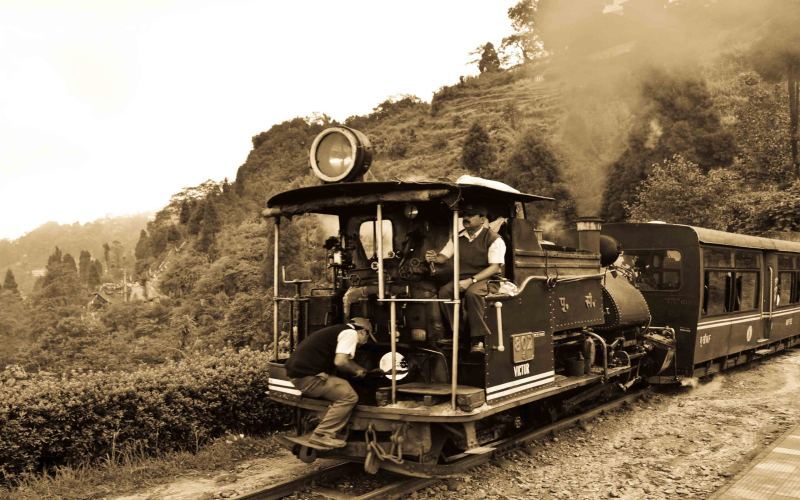
Darjeeling Tea Annual Output and Regional Development: A Cultivation History from Trial Planting to 86 Estates
Darjeeling tea is renowned worldwide for its distinctive muscatel flavor, and its quality is closely tied to the cool, humid climate, soil, and sloping terrain. This article traces the cultivation origins and expanding production regions of Darjeeling tea: from Dr. Campbell's experimental planting, to the establishment of the first commercial tea gardens in the mid-19th century, and to today's scale of 86 tea gardens producing about 10 million kilograms annually. It also introduces the flavor differences across the four main harvest seasons each year, as well as organic certification and industry employment, helping coffee and tea enthusiasts gain a systematic understanding of the past and present of this world-famous tea-producing region. [more…]
Colombian Coffee Complete Guide: Regions, Varieties, Grading System, Processing Methods, and Pour-Over Flavor Guide
Colombia, with its combination of low latitude and high altitude, has become the world's second-largest producer of Arabica coffee. From its early focus on commercial blend beans to its gradual shift toward the specialty coffee market after 2001, Colombian coffee has undergone a clear transformation path. This article will systematically outline the distribution of Colombia's specialty and commercial production regions, the main cultivated varieties (Caturra, Catuai, Castillo, Colombia), the washed processing flow, the characteristics of the grading system, and Front Street Coffee's specific recommendations for roasting and brewing, helping readers gain a comprehensive understanding of the flavor profile and industry logic of this major South American coffee country. [more…]

What are the essential differences between Arabica and Robusta? Where do Geisha and Typica stand within the Coffea genus?
More than one hundred confirmed species exist under the genus Coffea, among which Arabica and Robusta are the two names with the highest commercial value. But many people do not know that these two are actually not at the same taxonomic level—Arabica is a complete species, while Robusta is merely a variety under the Canephora species, ranking at the same level as Geisha and Typica within the Arabica branch. This article will clarify the differences and connections among these three from the perspectives of taxonomic relationships, growing conditions, flavor performance, and commercial uses, and will also explain why a small amount of Robusta is often added to espresso blends, as well as Front Street Coffee's specific approach in this regard with its classic blend. [more…]